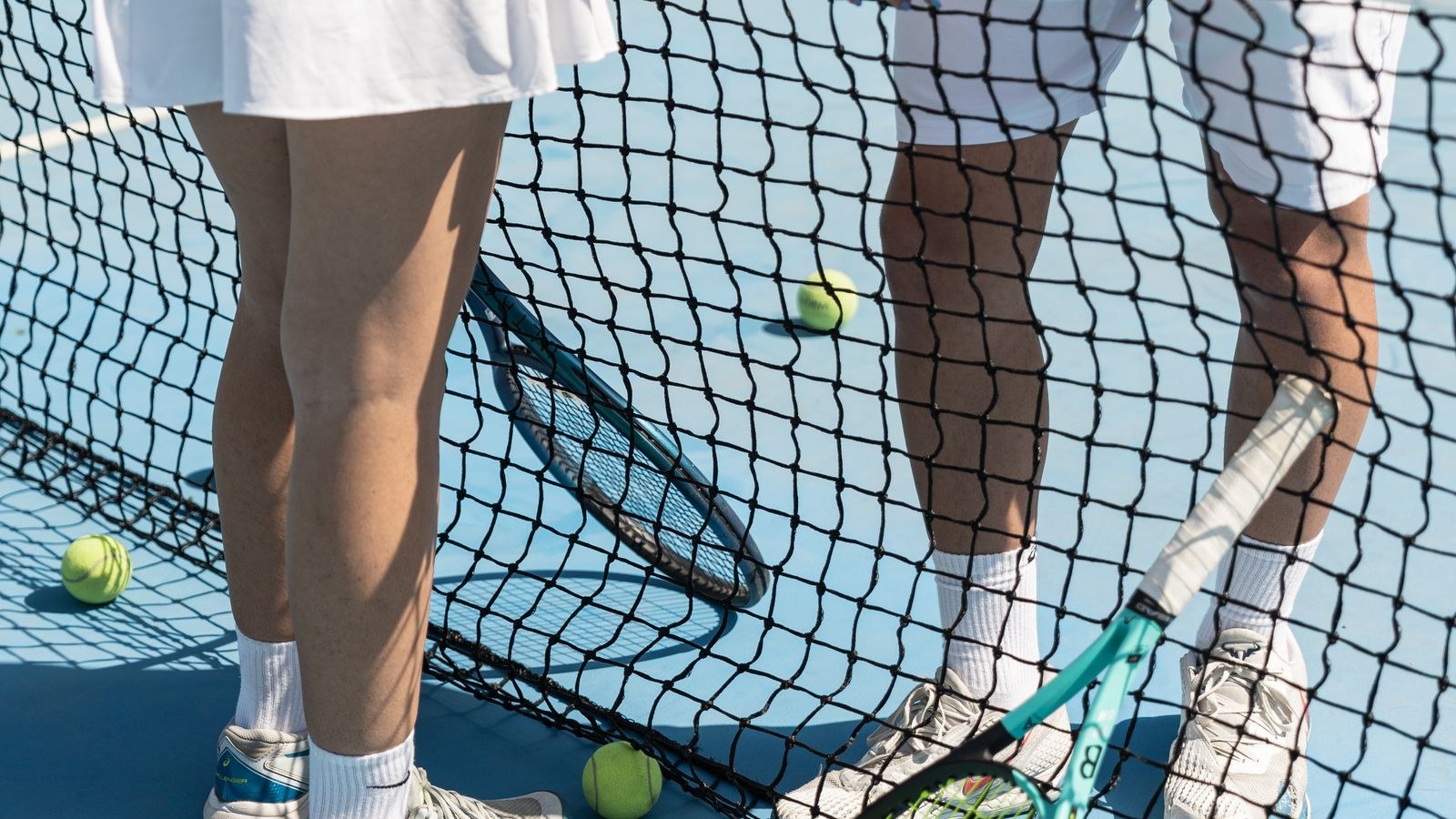
Tennis might look like a sport about hitting the perfect shot. For me, the best part is what happens between those shots: the conversations, the partnership, and the chance to spend time with other people.
That social side is especially clear in doubles. You and your partner have to talk, decide who takes the middle ball, and encourage each other when a point doesn't go your way. Singles feels different, but it can still be about more than the score. I enjoy trying to win, yet I also want to play with consideration for the person across the net. A competitive match and good sportsmanship can go together.
You're joining a lot of other players
Tennis can feel intimidating when you're watching professionals serve at speeds you can't imagine. But the people on a local court aren't all chasing a ranking. Some are learning their first forehand; others are catching up with friends between games.
The USTA reported that 27.3 million people in the United States played tennis in 2025, including 4.9 million first-time players. That is a U.S. participation estimate, not a count of people who play regularly or a measure of how many love the sport. Still, it gives a sense of how many different kinds of players might be out there. Source: USTA
Why doubles makes tennis feel social
Doubles gives you a teammate as well as opponents. You can talk through where to stand before a serve, call “mine” when a ball comes between you, and adjust together as the match unfolds. When a partner misses, a little encouragement can be more useful than replaying the mistake. The USTA also emphasizes communication and teamwork in its doubles guidance.
You don't need a detailed strategy to start. Agree on a few simple calls, check in between points, and be patient while both of you learn. For me, that shared experience is one of the biggest reasons tennis is fun.
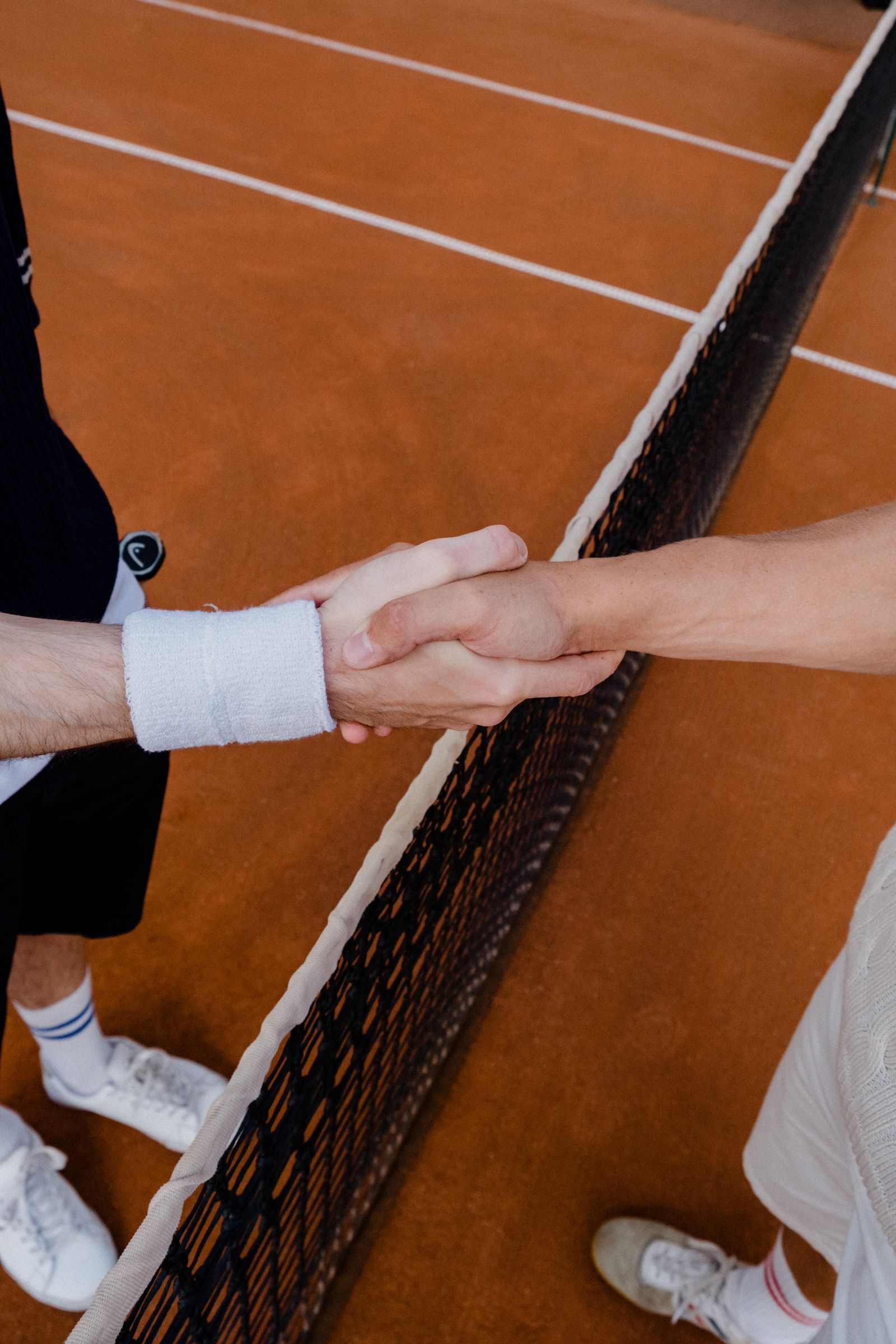
Photo: cottonbro studio / Pexels.
Singles can be competitive and considerate
Singles offers a different kind of challenge: every shot is yours to chase and every decision is yours to make. That makes a good rally satisfying, even when you lose the point.
Playing considerately doesn't mean you can't compete. Call lines honestly, give your opponent the benefit of the doubt when you can't clearly see a ball, and keep the tone respectful. The USTA's sportsmanship guidance is a useful starting point for the etiquette that helps everyone enjoy a match.
An easy way to try it
If you're curious, start with a beginner lesson, a casual hitting session, or a local tennis program. A borrowed or rental racket can be enough for a first try if one is available. Ask about beginner-friendly groups at a local park or club, and tell the organizer your experience level so they can suggest a suitable session.
The first goal doesn't have to be playing a full match. Try keeping a short rally going, then add serving and scoring when you feel ready. Doubles can be a comfortable way to meet people, but choose the format that sounds enjoyable to you.
Give your body time to adapt
Tennis is not a contact sport, but that doesn't make it injury-free. Sudden changes of direction and repeated strokes can put demands on ankles, elbows, and shoulders. Avoid assuming your personal risk is lower than in another sport: it depends on the player, intensity, and circumstances.
Warm up before playing, increase your time on court gradually, and pay attention to persistent pain. USTA guidance specifically recommends thorough shoulder, trunk, and leg warm-ups. If pain persists or an injury affects your play, seek advice from a qualified health professional. Source: USTA
The reason to keep playing
A great shot is fun, but it isn't the only reason to return. Tennis can offer friendly competition, a shared challenge, and time with people you might not otherwise meet. If you've been waiting until you feel “good enough,” a relaxed first session may be all you need to see whether it fits you.
Cover Photo: Ahmed / Pexels.