The idea of selling your own products is exciting. The idea of buying boxes of inventory before you know whether anyone wants them? Less exciting.
That's what drew me to print on demand, or POD. I'm still a beginner, but I like that I can explore product ideas without keeping a stack of shirts at home. It's a way to try building an online shop without taking on every part of manufacturing and fulfillment yourself.
That convenience doesn't guarantee sales or profit. Here's how the model works, what you still need to manage, and how to think through a first product.
What is print on demand?
With POD, a product is printed after an order is placed. Instead of buying a large batch of finished shirts in advance, you create a design, offer it on a product, and connect your shop to a fulfillment provider. Once the order is submitted for production, the provider prints, packs, and ships it. Printify describes POD as an on-demand model that allows sellers to operate without stocking inventory. Source: Printify
A typical order looks like this:
- You create a design and choose a product and print provider.
- You publish a listing on your sales channel.
- A customer buys the item, and the order is sent for fulfillment according to your settings.
- The provider produces and ships it; you handle the store and customer relationship.
Services and responsibilities differ by platform. Read the provider's and sales channel's current terms before setting up your store.
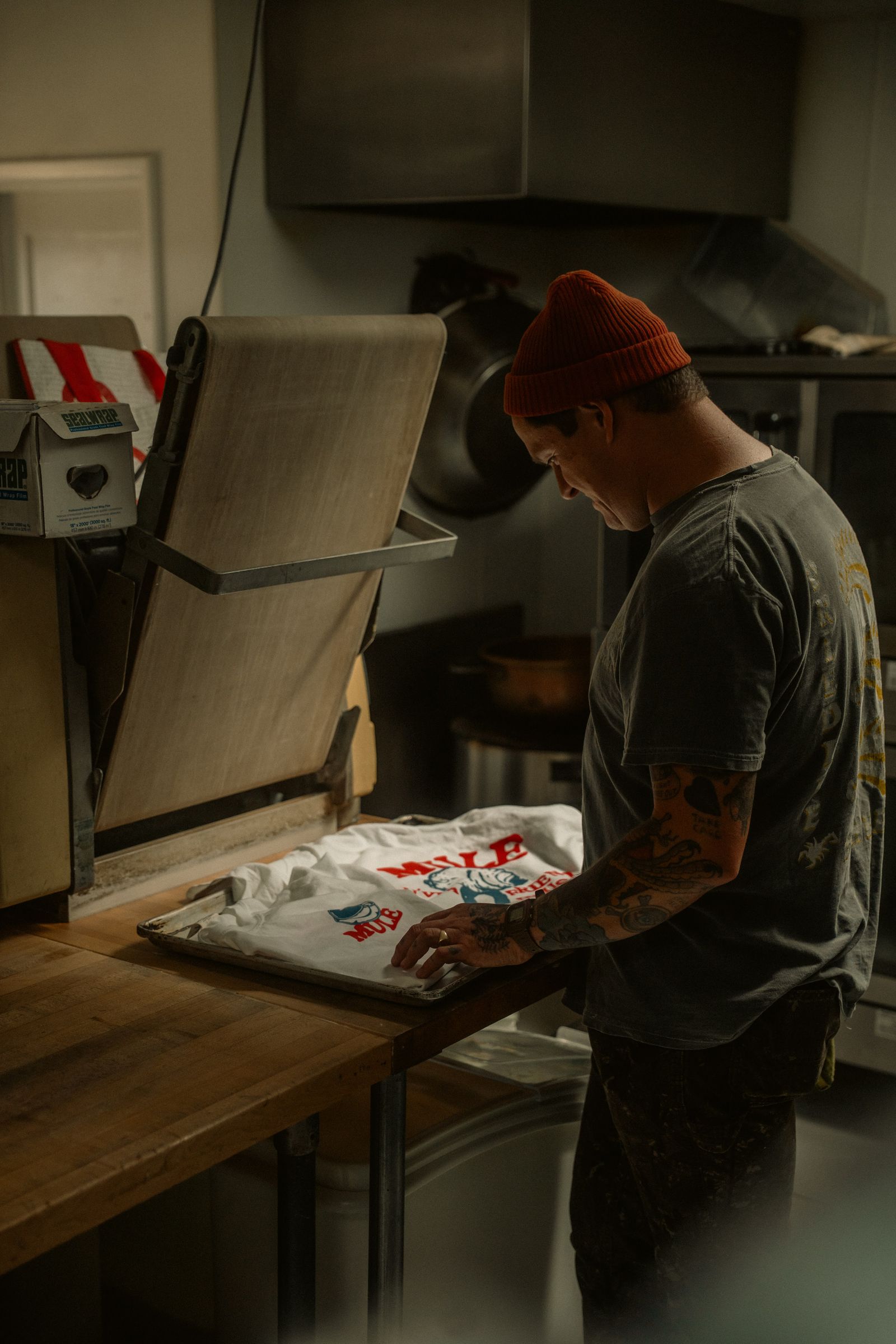
Photo: James Collington / Pexels. This image illustrates garment printing.
Why no inventory is appealing
For a beginner, not having to predict exactly how many shirts to buy is a meaningful advantage. You can offer a small collection, see what attracts interest, and adjust your designs without storing unsold stock in a spare room.
You can also focus on a specific audience instead of trying to sell everything to everyone. A shop for tennis doubles players, for example, could explore designs that speak to the fun of playing with a partner. That is a hypothetical idea, not evidence of demand.
The trade-off is that a provider does much of the physical work, so you have less direct control over production and delivery. A sample can help you evaluate the product and print before promoting it, though a single sample cannot guarantee every future order will be identical.
What the seller still does
POD handles fulfillment, not the entire business. You still need to choose a customer, develop designs you have the right to use, create accurate listings, set prices, attract visitors, and respond when customers have questions. You also need to understand the rules of your sales channel.
For example, Etsy explains that eligible POD providers are production partners and describes how sellers disclose them in listings. Check the current Etsy production partner guidance and its applicable creativity rules before listing; using a provider doesn't make every design eligible.
How the money flows
Your selling price is not the same thing as profit. Consider the product and printing charge, shipping, payment and marketplace fees, advertising, samples, refunds, and applicable taxes. Exact charges depend on the products, destinations, and services you choose.
Here's a simple hypothetical example for one shirt, assuming the listed price includes shipping and no tax or refund:
- Customer pays: $30.00
- Product and printing: $13.00
- Shipping charged to the seller: $5.00
- Sales and payment fees: $3.00
- Remaining before advertising, taxes, and other expenses: $9.00
The arithmetic is $30 − $13 − $5 − $3 = $9. These are illustrative assumptions, not current provider prices or a promise of earnings. If you spend $10 on advertising to obtain that order, the example is $1 below zero before other expenses.
Cash timing matters too. For connected sales channels, Printify explains that the channel collects the customer's payment while Printify charges the seller for fulfillment; the channel's payout may arrive on its own schedule. You may need funds available to cover the order before receiving your payout. Some arrangements, such as Printify's Pop-Up Store, work differently. Source: Printify payment process
A practical first step
Pick one audience and one product you understand. Make a small number of original designs, choose a provider, calculate a realistic price using its current charges, and consider ordering a sample. Before you publish, check your listing, fulfillment settings, delivery expectations, and the sales channel's rules.
Printify and Printful are two services to investigate; each has its own products, pricing, integrations, and policies. This isn't a hands-on comparison of both services. Compare the specific products and shipping options you plan to use, and verify costs directly rather than relying on a generic “best platform” claim.
Is POD a good side hustle?
POD can be a useful way to test an idea without stocking products or buying printing equipment. That's why it interests me as a beginner. But the easy-to-understand fulfillment model still leaves the hard questions: who wants the product, how will they find it, and does the price leave enough room after expenses?
Treat the first listings as a learning process rather than a guaranteed income stream. If you enjoy making products and improving a shop over time, POD can give you a relatively accessible place to start.
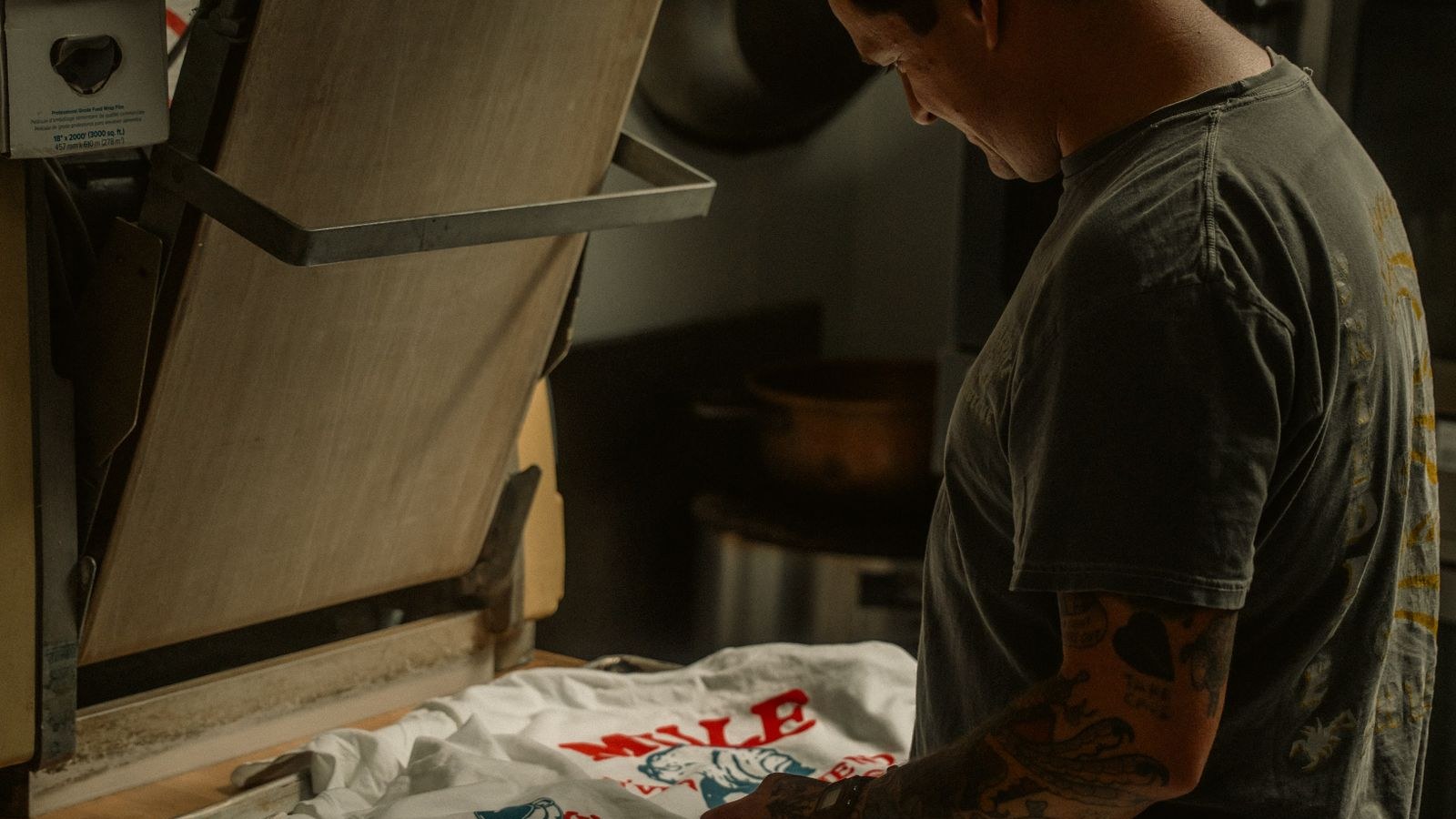
Cover Photo: James Collington / Pexels. The image illustrates garment printing, not a specific POD provider.