Choosing a print-on-demand service feels like it should be a simple price comparison. In practice, a cheaper product listing can become a more expensive customer order once shipping, extra print placements, and the destination enter the calculation.
I am approaching this as a beginner interested in print on demand. I have not personally tested Printful, so this is a research-based comparison, not a claim that I have ordered matching samples or measured either service's quality.
Start with how you want to manage production
Printify emphasizes a network of print providers and the ability to compare provider options. Printful emphasizes its fulfillment operation and branding tools. Those are useful starting distinctions, but they are not guarantees that every product follows an identical production route.
For a seller, the practical question is how much provider selection you want to manage. If comparing production options is part of your strategy, inspect Printify's choices for the specific product. If you prefer to evaluate a more centralized workflow, examine Printful's offering. In either case, verify the actual fulfillment location, product availability, and routing options for the item you intend to sell.
Compare the same order, not two starting prices
Build the same specification in both services: garment model, color, size, print technique, print locations, quantity, and customer destination. Record the product charge and shipping separately. Add any applicable taxes and fees before deciding what remains from your retail price.
For example, suppose a hypothetical shirt sells for $28 and production plus shipping costs $18. The remaining $10 is not net profit. Payment processing, marketplace or storefront costs, advertising, refunds, and other expenses still have to come out. These are illustrative numbers, not quotes from either company.
A comparison table you create for your own shop can be simple:
| Item to check | What to record | |---|---| | Matching blank | Brand, model, size, and color | | Decoration | Technique and each paid print placement | | Delivery | Destination, shipping charge, and estimate | | Branding | Availability and extra charges for that item | | Problem orders | Claim process, evidence, and deadlines | | Sample | Delivered cost and your inspection notes |

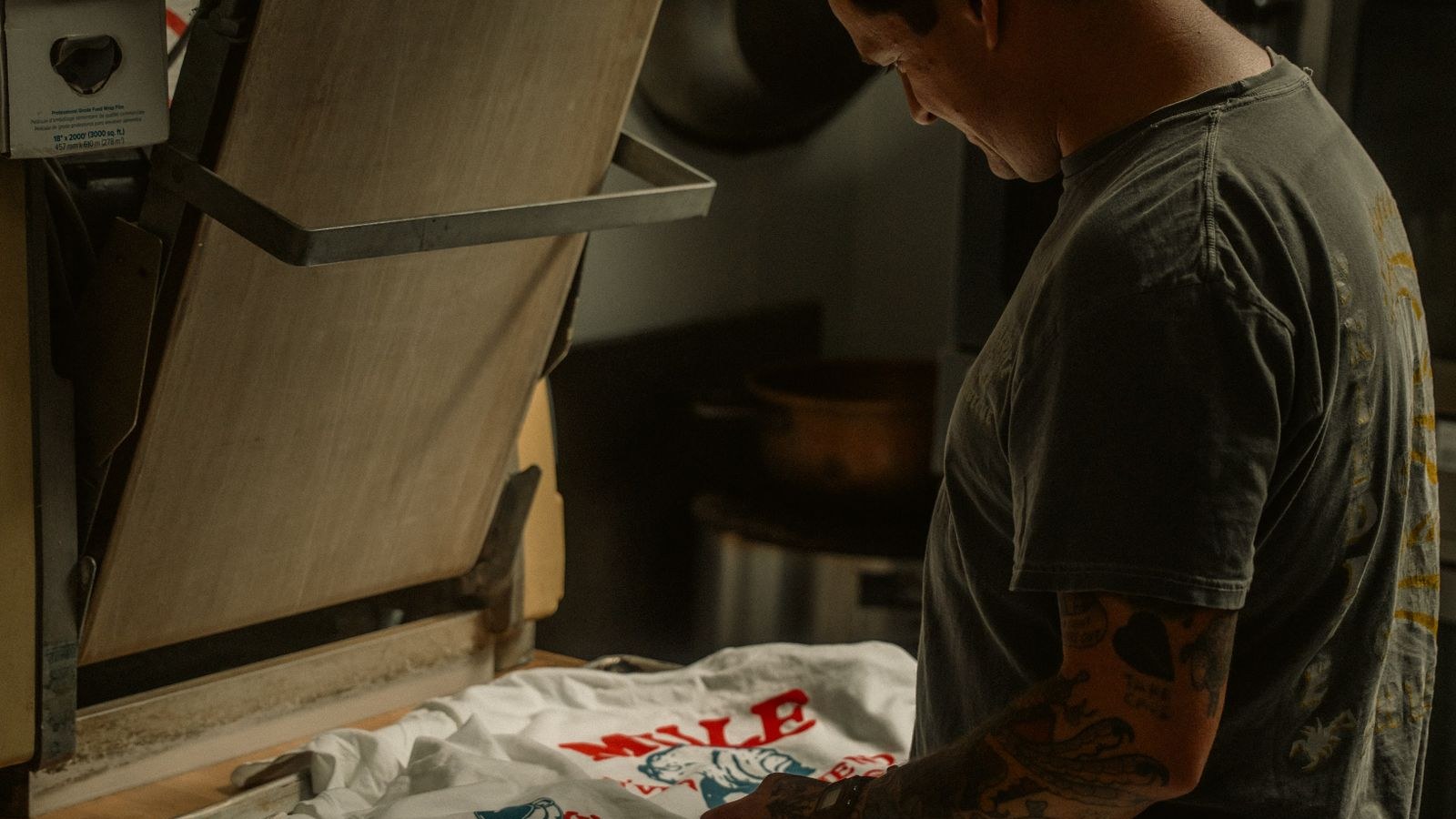
Photo: James Collington / Pexels. This illustrates garment printing; it is not a Printify or Printful facility.
Why this article does not pick a winner from a price chart
The two companies' official comparison pages contained different product counts and plan-price presentations when checked on October 29, 2026. Those pages are also marketing material written by the services being compared. A headline “lowest price” is therefore a poor substitute for checking your live product configuration.
Before paying for an optional plan, calculate the savings on the products you actually expect to sell. Divide the plan cost by the per-order savings to estimate a break-even volume, then account for whether your forecast is realistic. Avoid committing to a subscription simply because the discounted catalog looks attractive.
A sample order answers questions a mockup cannot
Order the design you plan to sell, not an unrelated sample. Look at placement, color, fine details, garment feel, and packaging. Compare it with your listing images and size information. Follow the care instructions and inspect how it looks after washing.
One good sample does not establish a universal quality ranking. It does give you evidence about a specific product and configuration. If you change providers or materials, reassess whether the earlier sample still represents what customers will receive.
For shipping, separate production time from transit time. An estimate is useful for setting expectations, but it should not become an unconditional delivery promise in your shop.
Branding and returns belong in the decision
Both services advertise branding possibilities, but availability can depend on the product, provider, location, and method. Verify your exact setup before promising custom labels, inserts, or packaging.
Read the current policies for misprints, damage, incorrect addresses, sizing complaints, and buyer remorse. Your customer buys from your shop: a fulfillment provider's policy does not automatically resolve everything your storefront promises. Make sure your customer-facing process is one you can actually support.
Which one should a beginner choose?
Shortlist Printify if comparing providers and product configurations appeals to you. Shortlist Printful if its production workflow and available branding options fit your priorities. Those are reasons to investigate, not proof that one is always cheaper or better.
A manageable first test is one product, one design, and one intended market. Configure it in both services, compare delivered costs, inspect samples, and test the order workflow before expanding the catalog. The strongest choice is the one that supports the product and customer promise you can deliver consistently.
Sources and image credits
Research checked October 29, 2026: Printify's comparison, Printful's comparison, and Printify shipping rates. These are vendor sources, not independent quality tests. Recheck live configuration prices and applicable policies before launching.
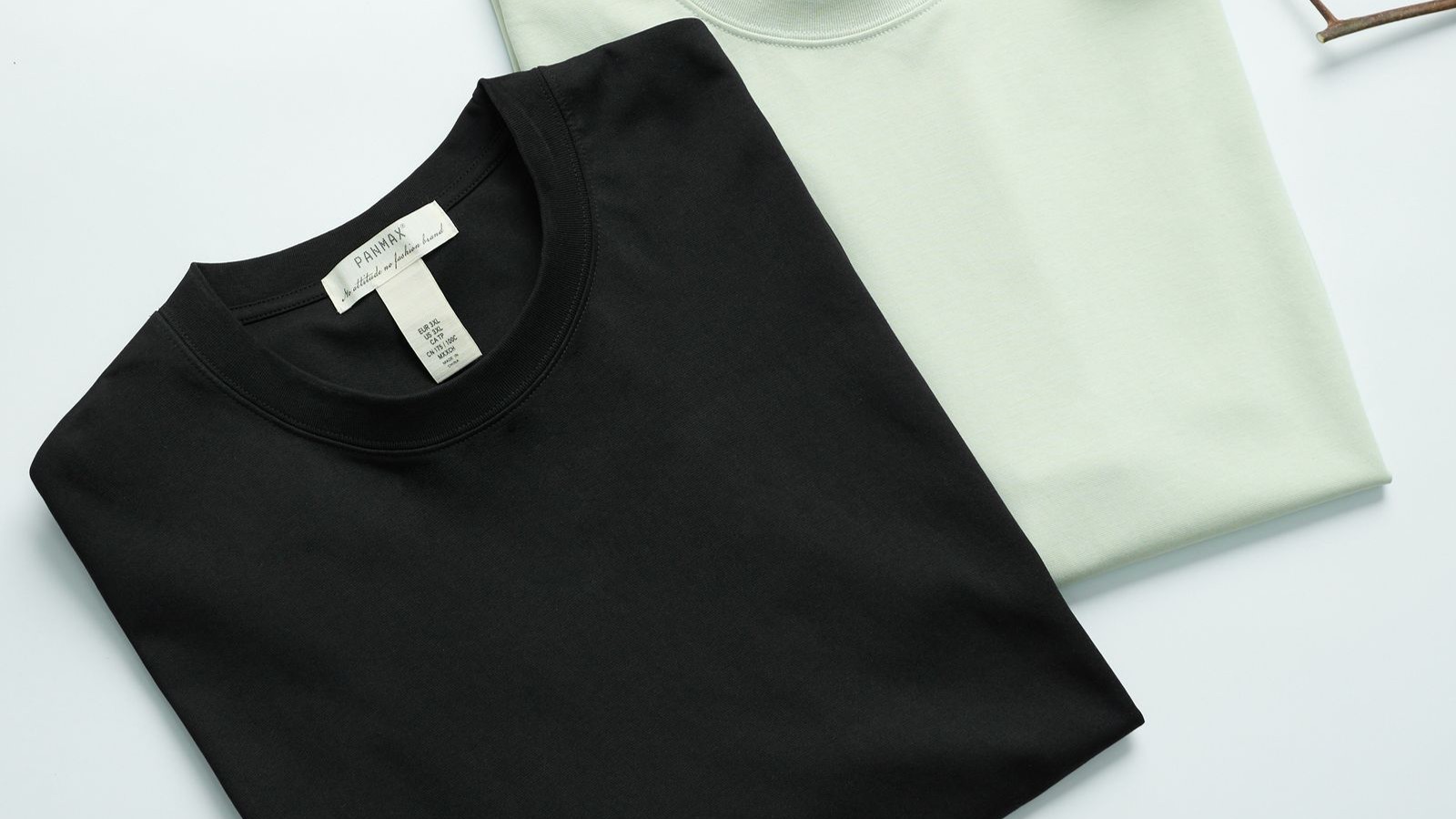
Cover: T-shirts with cotton stems / Pexels. Body: Order packing / Pexels. Used under the Pexels license. These are illustrative stock photos, not Printify or Printful products, facilities, staff, or samples tested by the author. No endorsement is implied.