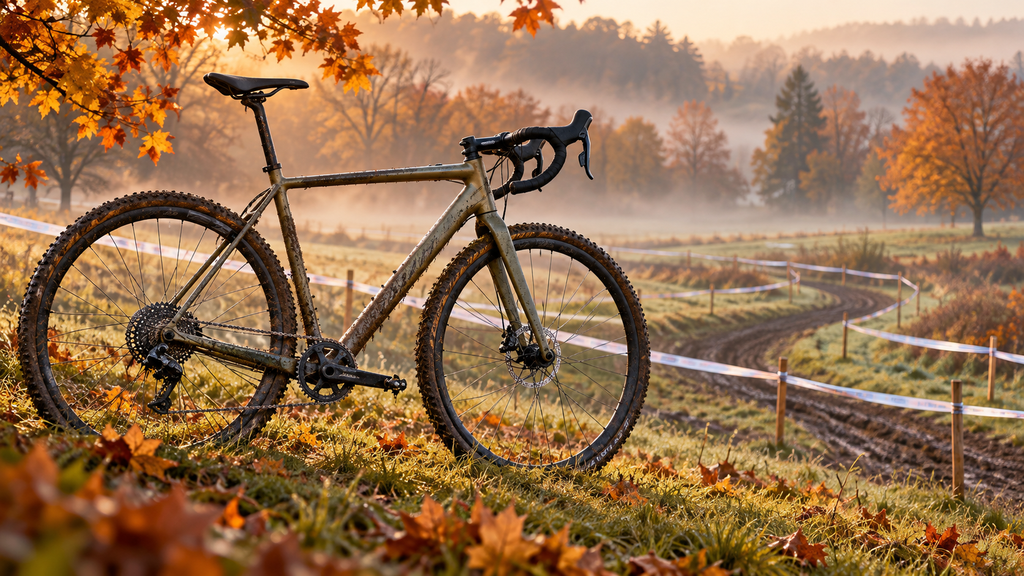
Cyclocross can look like a sport that requires a second bicycle, a collection of tires, and an unusually high tolerance for mud. For a first outing, the more useful starting point is a local event's instructions.
The bike you can use, the field you should enter, and the preparation you need all depend on the race you actually plan to attend. Choosing equipment first can solve the wrong problem. Start with the event, then work backward to the minimum practical setup.
What you are signing up for
Cyclocross combines repeated laps with changing surfaces and sections where riders may dismount. A recent Bikerumor introduction describes courses mixing grass, dirt and obstacles, with conditions that can evolve during the day. Fitness matters, but moving through corners and transitions matters too.
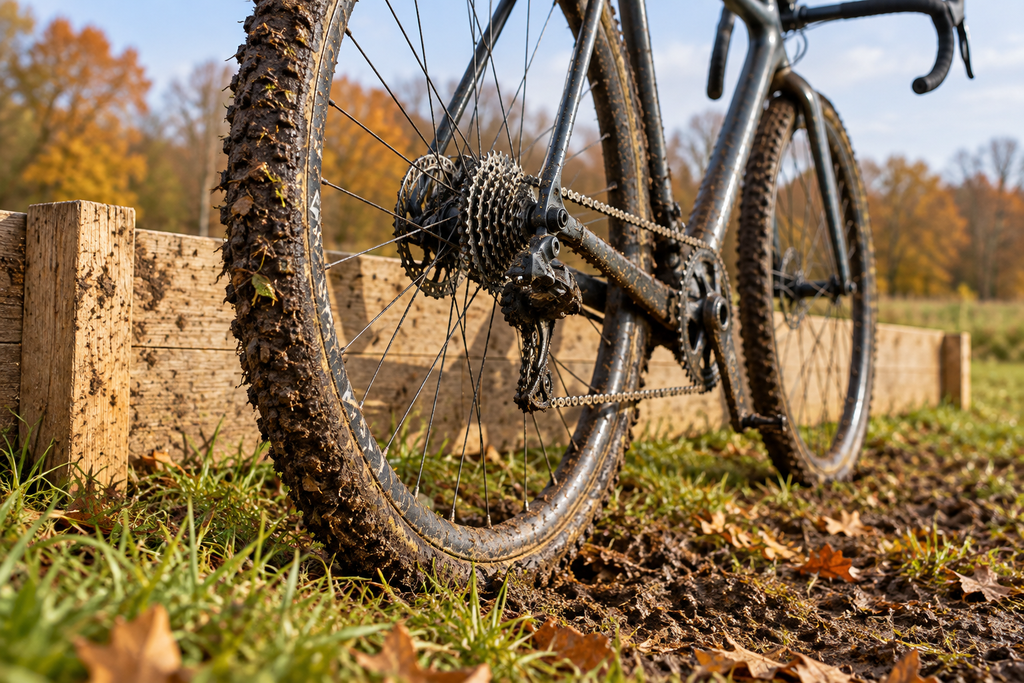
Do not use a professional race video as an equipment rulebook for a beginner event. It can show the character of the sport without telling you what your local promoter permits.
Find the right field before the right tire
USA Cycling's getting-started guidance provides an entry point for new racers and explains its role across cycling disciplines. Use the event's current registration page and technical guide for the specific requirements that apply to you.
Before paying, confirm:
- Entry category: Which field is intended for your age and experience?
- Bike eligibility: Are your bicycle and tires allowed in that field?
- Registration requirements: What membership, license or waiver is needed?
- Schedule: When are check-in, course access and your start?
- Course information: What features or conditions should you expect?
If a rule is unclear, ask the organizer. That question is more valuable than buying something because a fast rider uses it.
Practice the transitions without racing them
Pick a permitted, quiet place to become comfortable slowing down, putting a foot down, getting off, walking the bike and getting back on. Begin at a pace where every movement is controlled. A local beginner clinic or qualified coach can help with technique; a written checklist cannot substitute for observing how you handle the bike.
The goal for an initial practice session is repeatability, not speed. If an obstacle exceeds your ability, walking it is a more sensible objective than copying an advanced rider's jump. Practice away from traffic and other people, and stop if the bicycle develops a mechanical problem.
Rehearse the boring part of race day
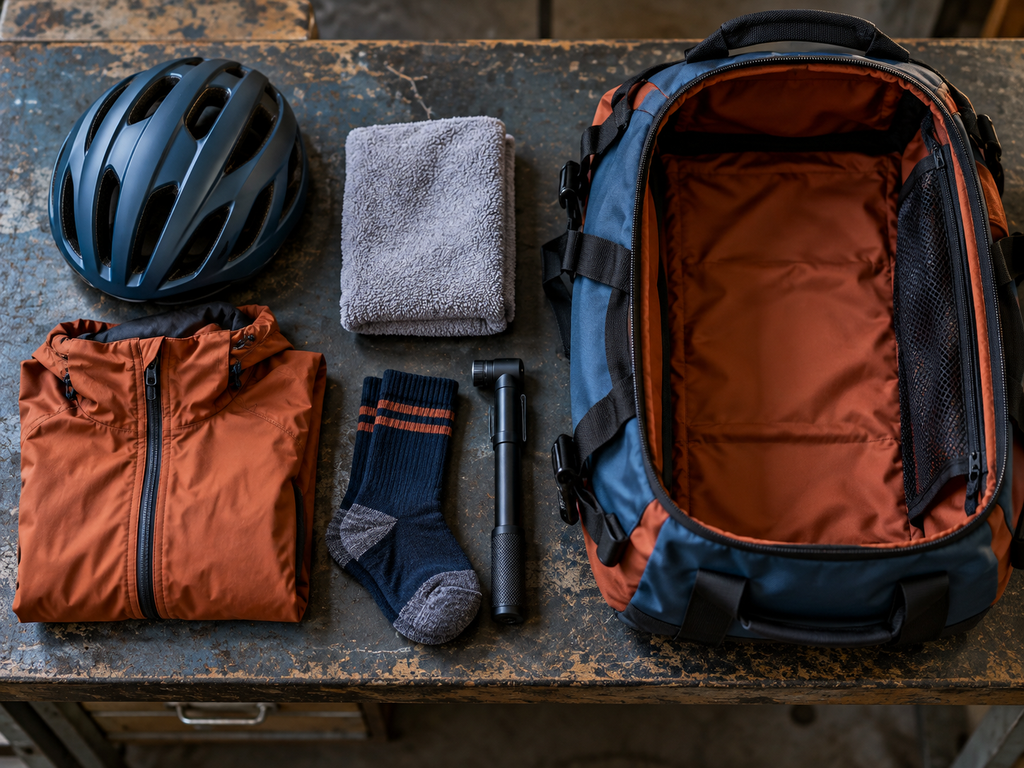
A simple packing routine reduces the decisions you must make while nervous. Prepare your helmet, clothing for the conditions, water, food, basic repair supplies, any required documents, and a way to carry wet gear home. Check the bicycle before departure rather than assuming race-day staff will repair it.
USA Cycling's first-time racer page explains practical details such as race numbers and beginner participation. Treat it as orientation, then follow the instructions issued for your chosen event.
Write down the latest time you can leave home, where you will park, and the check-in location. Keep those details available without relying on mobile reception at the venue.
Make the first result a useful one
For a first race, evaluate what you learned: whether the equipment was suitable, which transitions felt awkward, and which items you wished you had packed. A few specific observations make the next purchase more defensible.
You may eventually want dedicated cyclocross equipment. A first event can help establish what would actually improve your experience. Arrive with a legal, functioning setup and a realistic plan, then let the course teach you what to change next.
Images are AI-generated editorial illustrations, not photographs documenting a product test or a specific event.